How to Create a Personal Financial Plan: A Step-by-Step Guide
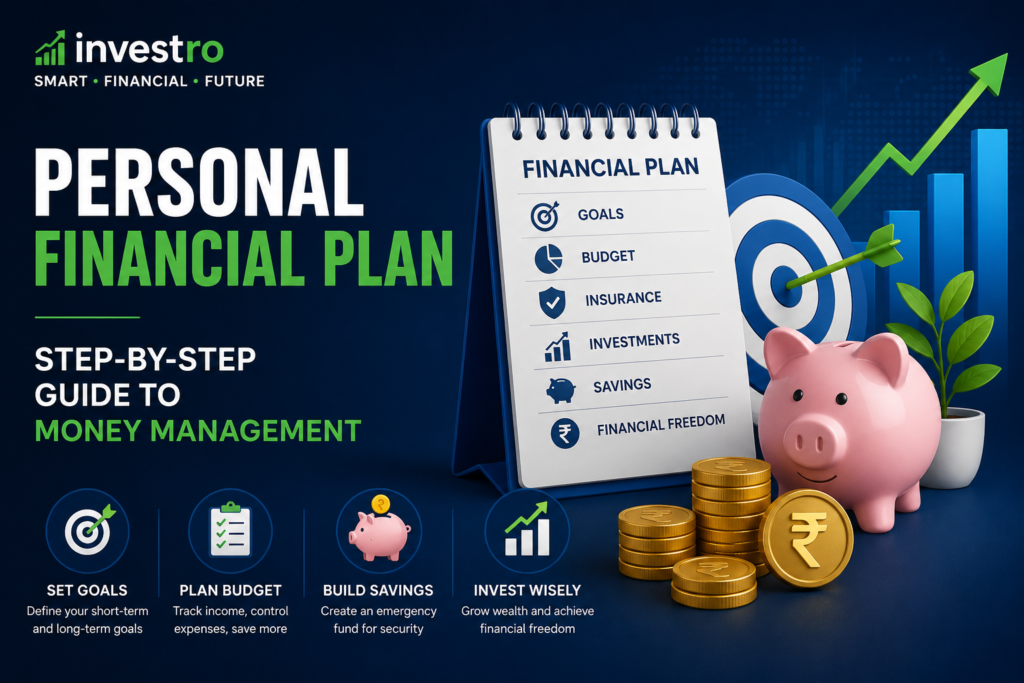
A personal financial plan is a roadmap that helps you manage your income, expenses, savings, investments, and future goals. Whether you want to buy a house, save for retirement, or build an emergency fund, having a financial plan can help you make informed decisions and stay on track.
What Is a Personal Financial Plan?
A personal financial plan is a structured strategy for managing your money. It outlines your current financial situation, future objectives, and the steps required to achieve them.
The purpose of financial planning is to ensure that your financial resources are used effectively to meet both short-term and long-term goals.
Why Financial Planning Is Important
Calculate While You Read
Free calculators related to this article — instant results, no signup.
- Helps you manage spending habits.
- Creates a clear path toward financial goals.
- Builds financial security and confidence.
- Prepares you for unexpected expenses.
- Supports long-term wealth creation.
Step 1: Assess Your Current Financial Situation
Start by reviewing your income, expenses, savings, debts, and investments. Understanding where your money goes each month is the foundation of effective financial planning.
Step 2: Set Financial Goals
Your goals should be specific and realistic. Examples include:
- Building an emergency fund.
- Buying a home.
- Saving for a child’s education.
- Planning for retirement.
- Becoming debt-free.
Step 3: Create a Budget
A budget helps you control spending and allocate money toward important goals. Track your monthly income and categorize expenses such as housing, transportation, food, and entertainment.
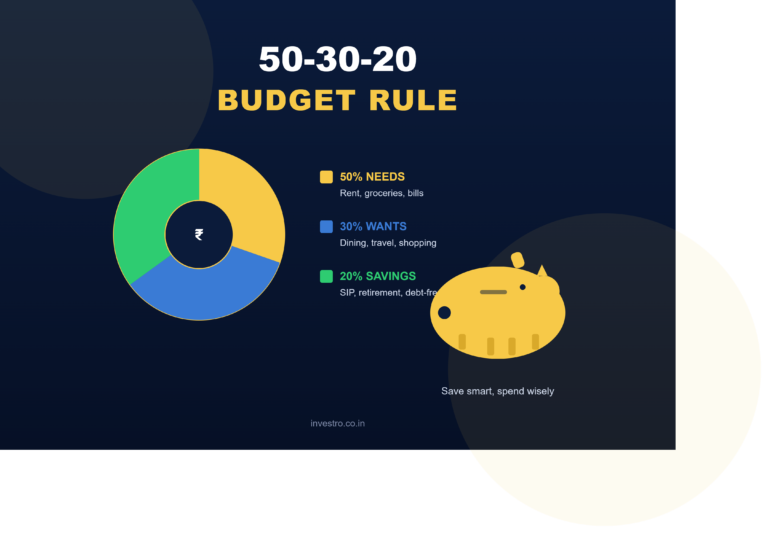
Many people use the 50-30-20 budgeting method, where 50% goes to necessities, 30% to wants, and 20% to savings and investments.
Step 4: Build an Emergency Fund
An emergency fund acts as a financial safety net during unexpected situations such as medical emergencies, job loss, or urgent repairs.
A common recommendation is to save at least three to six months of living expenses.
Step 5: Manage Debt Wisely
High-interest debt can slow financial progress. Prioritize paying off expensive debt while maintaining regular payments on other obligations.
Reducing debt improves cash flow and allows more money to be directed toward savings and investments.
Step 6: Start Investing
Investing can help your money grow over time. Depending on your goals and risk tolerance, you may consider mutual funds, SIPs, fixed-income investments, or other investment options.
Starting early allows you to benefit from compounding over the long term.
Step 7: Protect Your Finances
Insurance plays an important role in financial planning. Health insurance, life insurance, and other forms of coverage can help protect your finances from unexpected events.
Step 8: Review and Update Your Plan Regularly
Financial planning is not a one-time activity. Life circumstances, income, expenses, and goals can change over time. Review your financial plan at least once a year and make adjustments when needed.
Common Financial Planning Mistakes
- Not having clear financial goals.
- Ignoring emergency savings.
- Overspending on lifestyle expenses.
- Delaying investments.
- Failing to review financial progress.
Conclusion
A personal financial plan provides direction and helps you make smarter financial decisions. By setting goals, creating a budget, building savings, managing debt, and investing consistently, you can improve your financial well-being and work toward long-term financial security.
This article is for educational purposes only and should not be considered financial advice.
Explore Investro Tools
Frequently Asked Questions
Quick answers to common questions about this topic.
-
A personal financial plan is a strategy that helps manage income, expenses, savings, investments, and financial goals.
-
Financial planning helps individuals achieve goals, manage money efficiently, and prepare for unexpected expenses.
-
Most people should review their financial plan at least once a year or whenever significant life changes occur.
-
The first step is assessing your current financial situation, including income, expenses, assets, and liabilities.